

K&N GEMS : ค้นหาหนังสือธรรมะ หน้า 266 / 336
หน้าหนังสือทั้งหมด
115
Guided Meditation: The Seven Bases of the Mind
GUIDED MEDITATION 111
SEVEN BASES OF THE MIND
Now let us refresh the Knowledge that the Great Master Luang Pu Wat Paknam has taught us about the Seven Bases of the mind.
- The first base is at the
In this guided meditation, we revisit the teachings of the Great Master Luang Pu Wat Paknam regarding the Seven Bases of the Mind. The first base is located at the rim of the nostril, the second at th
118
Guided Meditation Through Visualization
114 GUIDED MEDITATION
Visualizing a Meditation Object
The Great Master gave us a good technique for visualization: to imagine a crystal clear sphere that is totally flawless, as clear as a polished d
This guided meditation technique involves visualizing a flawless crystal sphere or any familiar object, such as fruit or jewels, to achieve mental clarity and peace. The method, taught by the Great Ma
119
Exploring Alternatives to Visualization
If Visualization is Not for You, Then You Don’t Have to Visualize
Visualization may not be for everyone. Some of you may feel tense or uncomfortable using this method. Or you may put too much effort
Visualization may not be suitable for everyone. If you find yourself feeling tense or struggling to visualize, it's perfectly fine to choose other methods. Instead of visualizing, focus on relaxing yo
120
Darkness Is Your Friend
Darkness Is Your Friend
Darkness is not an enemy that stops you from attaining the Dhamma. Darkness is your friend if you know how to take pleasure in it. Don’t be discouraged if you don’t see any ima
Darkness is not an enemy, but a friend on your path to Dhamma. Embrace it with a calm mind and don't rush for brightness. As you sit peacefully in the darkness, remember that every night will eventual
124
Luang Por Dhammajayo’s Aspiration
Luang Por Dhammajayo’s Aspiration
After Luang Por Dhammajayo took the yellow robe to become a Buddhist monk he resolved that he would preach only the subject of stopping the mind. Over the past forty
Luang Por Dhammajayo emphasizes the essential practice of stopping the mind in his teachings. His journey from a young monk to a teacher focused on the importance of both reading and practicing Dhamma
128
The Art of Meditation Practice
Keep practicing with the right method. If it takes you half an hour to get to the point of contentment, try to reach that same point each time. Your speed of getting there will improve as you go—from
Meditation requires practice with the right methods to achieve contentment quickly. As you refine your approach, you'll notice improvements in your speed to reach blissful states. Engaging fully in me
129
The Right Way to Practice Meditation
often mentioned that, as soon as you finish kindergarten you become a Ph.D., that is, when you practice the right way. And the right way of practice is to 'stop' the mind continually without letting i
Often it is mentioned that as soon as you finish kindergarten, you become a Ph.D. in meditation, provided you practice the right way. This involves 'stopping' the mind continually, without interruptio
134
Overcoming the Five Hindrances in Meditation
The Five Hindrances are major obstacles that impede meditation. It is the darkness that obscures our mind like dark clouds obscuring the shining sun causing the sun not to be seen. Our mind is obscure
The Five Hindrances are major obstacles to meditation, obscuring our inner brightness and clarity. These hindrances can be overcome by stabilizing the mind and returning its focus to the center of the
135
Contemplation Techniques for Mindfulness
Contemplate on the Center of Your Body "Twice"
Keep your awareness at the center of your body constantly, with or without visualizing the image. Do this frequently, and your mind will grow accustomed
This text discusses the importance of centering your awareness at the center of your body and the technique of mindful contemplation practiced twice a day. It compares this practice to the daily praye
137
The Power of Consistent Practice
only way you won’t succeed is when you don’t practice. If you do practice, you’ll eventually succeed. It doesn’t matter how fast or how slow you see the bright light. It matters how often and how cons
Success is achievable through consistent practice, regardless of pace. It's important to remain calm and gentle while training the mind. If distractions arise, acknowledge them without frustration, an
139
Guided Meditation: Calling Upon Your Merit
GUIDED MEDITATION 135
CALLING UPON YOUR MERIT
Keep your mind still. Reflect on all the merits that you have accumulated throughout your countless past lifetimes all the way to the present lifetime.
This guided meditation encourages individuals to reflect on the merits accumulated throughout past and present lifetimes. By maintaining a still mind, one can connect to their intrinsic energy, transf
143
Achieving Inner Peace Through Simple Reflection
Reflect easily and comfortably. Relax your eyelids, adjust your sitting position, relax your body, and create a feeling of stillness, tenderness and comfort. This is all you have to do. It is the only
This text emphasizes the simplicity of achieving inner peace through relaxation, mental stillness, and reflection. It encourages individuals to set aside life's pressures and distractions to focus on
147
การเจริญสติวิธีธรรมกาย
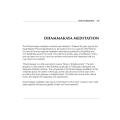
DHAMMAKAYA MEDITATION
The Dhammakaya meditation method was initiated in Thailand 96 years ago by the Great Master Phramongkoltepmuni, famously known as Luang Pu Wat Paknam. It is one of the most popu
การทำสมาธิธรรมกายเริ่มขึ้นในประเทศไทยเมื่อ 96 ปีที่แล้ว โดยพระมหากษัตริย์พระธรรมกายซึ่งเป็นที่รู้จักกันดีในนามหลวงปู่วัดปากน้ำ เป็นเทคนิคการทำสมาธิที่ได้รับความนิยมทั้งในหมู่ชาวพุทธและไม่ใช่ชาวพุทธทั่
149
Exploring the Bases of the Mind in Body Awareness
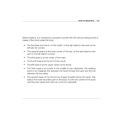
Before starting, it is necessary to acquaint yourself with the various resting points or bases of the mind inside the body.
• The first base is at the rim of the nostril, on the right side for men an
This text outlines the seven key resting points or bases of the mind within the body, essential for meditation and body awareness practices. These points include locations at the nostrils, inner corne
155
Creating a Positive Environment and Reflective Practices
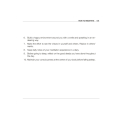
6. Build a happy environment around you with a smile and speaking in an endearing way.
7. Make the effort to see the virtues in yourself and others. Rejoice in others' merits.
8. Keep daily notes of y
This content emphasizes the importance of building a positive environment through smiling and kind communication. It encourages recognizing virtues in oneself and others while celebrating their merits
158
Understanding Dhamma and Enlightenment
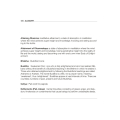
Attaining Dhamma: meditative attainment; a state of absorption in meditation where the mind achieves super insight and knowledge; knowing and seeing according to the truths.
Attainment of Dhammakaya:
This content delves into the concept of Dhamma as a state of meditative absorption. It explains the attainment of Dhammakaya, where deep insight allows one to see the reality of life. Key terms such a
159
Glossary of Buddhist Terms
GLOSSARY 155
Dhamma (Skt. Dharma): the truth; the natural condition of things or beings; the law of their existence; the ethical code of righteousness; the whole body of religious doctrines as a sys
This glossary outlines significant Buddhist terms. Dhamma refers to truth and the natural law of existence as taught by the Buddha. Dhammacakkappavattana Sutta is recognized as the Buddha's first teac
161
Understanding Key Thai Terms in Buddhism
Klong: a Thai word for canal
Luang Por: a Thai word which means Venerable Father, an informal way of addressing a senior monk.
Luang Pu: a Thai word which means Venerable Grandfather, an informal wa
This text provides insight into important Thai terms associated with Buddhism. Terms such as 'Klong' refer to canals, while 'Luang Por' and 'Luang Pu' are respectful titles for monks, particularly in
162
Glossary of Buddhist Terms
158 GLOSSARY
Mundane merit: merit gained through performance of good deeds, such as sweeping the temple, helping the poor, making charitable contributions.
Nibbana (Skt. Nirvana): the state of ultim
This glossary provides definitions and insights into crucial Buddhist terms such as Mundane Merit, which refers to merit from good deeds, and Nibbana, the ultimate state of happiness and enlightenment
163
Understanding Pali and Parami in Buddhism
Pali: an ancient language used in India, now no longer an active language. The original Buddhist scriptures were written in Pali. Pali texts are used by the Theravada school of Buddhism.
Parami: a Pa
Pali is an ancient language from India that is no longer actively spoken but holds significant historical importance as the original language of Buddhist scriptures. These scriptures serve as a core e